



- Services
- The Dutch BV explained
The Dutch BV explained
BV stands for besloten vennootschap, the Dutch private limited company. What it is, how it is run and what it asks of its foreign shareholders and directors, for groups with a Dutch company or planning one.
What a Dutch BV is: a private limited company
The BV (besloten vennootschap) is the standard form for a Dutch subsidiary. Shareholders are not liable for its debts beyond what they contribute, and the law leaves room to tailor the company to the group.
Setting up a Dutch company? See Establishing in the Netherlands.
Key contact

Principal, Attorney at Law
Schiphol Amsterdam Airport +31 88 2477 007 pb@bissessur.legalWho decides in a BV: shareholders, directors and a supervisory board
The board runs and represents the company. The general meeting appoints and dismisses the directors and adopts the annual accounts. A supervisory board is optional for most BVs.
Each director can represent the BV alone, unless the articles provide otherwise. A director with a conflict of interest does not take part in the decision.
How a BV is governed
Annual accounts and deadlines of a Dutch BV
Deadlines for a BV whose financial year is the calendar year. Late filing of the accounts has consequences for the directors if the company later goes bankrupt.
The year after year end
Before paying a dividend
Directors’ liability in a Dutch BV
Directors of a BV are not normally liable for its debts. The exceptions are well defined, and foreign directors are treated the same as Dutch ones. For disputes with or between shareholders, see Disputes in a Dutch company.
Towards the company
A director who is seriously to blame for improper performance of duties can be liable to the BV itself.
In bankruptcy
If manifestly improper management was an important cause of the bankruptcy, the directors can be liable for the deficit. Late filing of the accounts counts against them.
Distributions
Directors who approve a distribution while knowing, or reasonably foreseeing, that the BV can then no longer pay its debts are liable for the shortfall.
Unpaid taxes
Directors can be liable for unpaid wage tax and VAT if the BV does not report its inability to pay to the tax authorities in time.
Towards creditors
In exceptional cases, for example when a director lets the BV take on obligations that the director knows it cannot meet.
Limiting the risk
Clear decision-making, proper minutes, timely filing and insurance for directors and officers.
From incorporation to exit
Corporate work for the life of the company, with the tax side in the same team.
- 1 · Set up
Articles
Articles of association and shareholder arrangements that fit the group.
- 2 · Govern
Board
Board composition, signing authority and how the parent gives instructions.
- 3 · Each year
Annual cycle
Adoption of the accounts, resolutions, dividends and the filing calendar.
- 4 · Change
Transactions
Share transfers, new directors, capital changes and intra-group reorganisations.
- 5 · Exit
Sale or closure
A sale of the shares, a merger, or dissolution and liquidation of the BV.
We agree the scope and the fee before we start, so you know what to expect.
Get in touchQuestions we typically advise on
A foreign director on a Dutch board
A manager from the parent company is appointed director of the Dutch BV.
Our roleDuties, liability, signing authority and insurance for directors.
Paying a dividend to the parent
The Dutch BV has made a profit and the parent wants it paid out.
Our roleThe balance sheet and distribution tests, the resolutions and the withholding tax.
Shares change hands within the group
The group moves the shares in the Dutch BV to another group company.
Our roleThe notarial transfer, the articles, the registers and the tax consequences.
Questions about your BV?
Get in touchWhat is a Dutch BV?
A BV (besloten vennootschap met beperkte aansprakelijkheid) is the Dutch private company with limited liability. Its capital is divided into registered shares, and its shareholders are in principle not liable for its debts. It is the most common form for a subsidiary in the Netherlands.
Is there a minimum share capital?
No. Since 2012 a Dutch BV has no minimum capital. It needs at least one share with voting rights held by someone other than the BV itself, and a nominal amount, such as one euro cent per share, is enough.
Can a foreign company or person own or run a BV?
Yes. Shareholders and directors can have any nationality and live anywhere, and the shareholder can be a foreign company. The BV has its registered seat in the Netherlands, and its beneficial owners are recorded in the Dutch UBO register. For tax reasons it can be useful to take board decisions in the Netherlands. A group with several Dutch companies often places them under a Dutch holding company: see A Dutch holding company for your group.
What are the VAT and filing obligations of a BV?
A BV that runs a business is in principle registered for VAT and receives a VAT identification number. VAT returns are usually filed quarterly. A holding company that only holds shares is often not registered for VAT. Each year the BV files a corporate income tax return, and if it pays a salary, for example to a director, it also files wage tax returns. The annual accounts are filed with the trade register within eight days of adoption, and at the latest twelve months after the end of the financial year. How much must be published depends on the size of the company.
How are shares transferred?
By notarial deed before a Dutch civil-law notary. The articles may require the shares to be offered to the other shareholders first, or the approval of a company body.
Can a BV be merged, converted or dissolved?
Yes. A BV can merge or demerge, also across borders within the EU, and can be dissolved and liquidated. Each route has its own legal and tax consequences.
What does it cost?
That depends on the question and the scope. We agree the scope and the fee with you before we start.
Questions about your BV
Whether you are setting up, running or restructuring a Dutch BV, tell us where you stand and what you want to achieve.
Principal, Attorney at Law
Schiphol Amsterdam Airport +31 88 2477 007 pb@bissessur.legal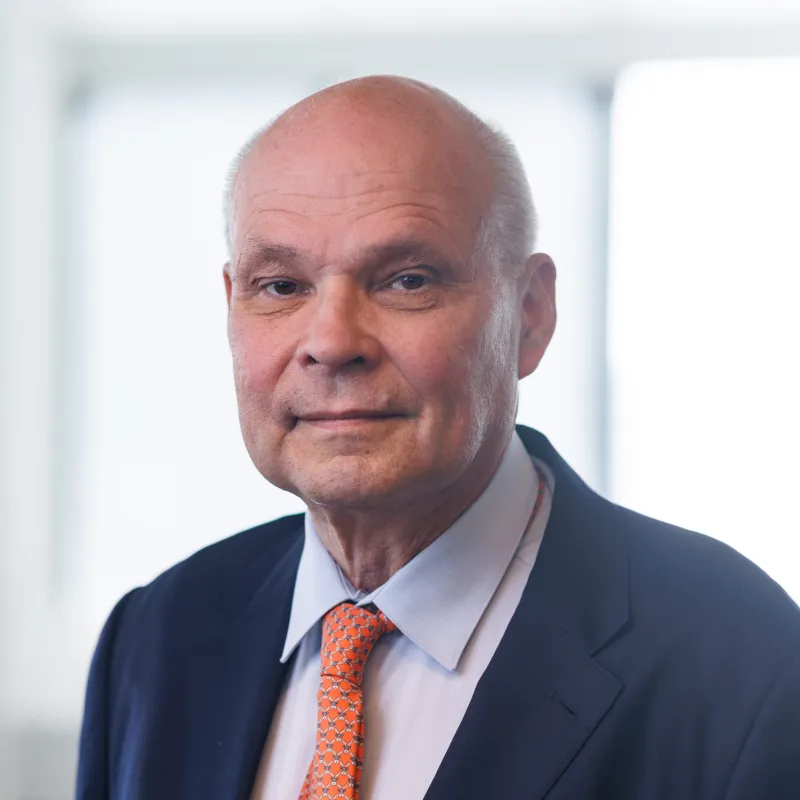
Discuss your BV
Tell us briefly about the company and your question. A lawyer who handles this work will get back to you, usually within one business day.